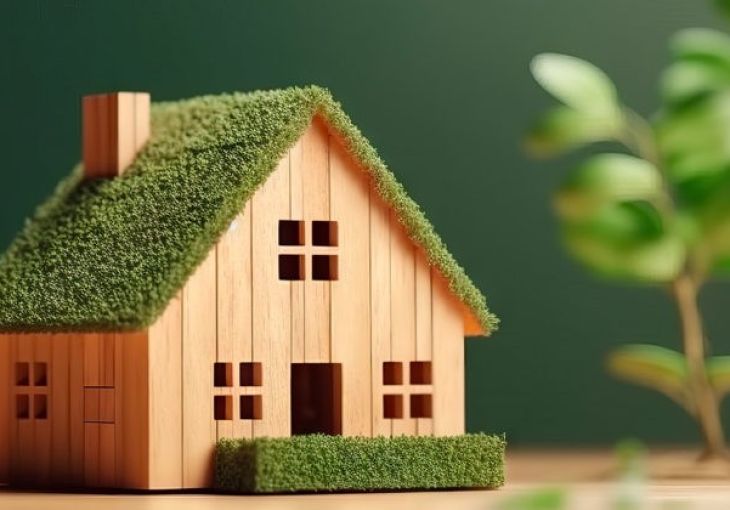
In today's context of environmental awareness and rising energy costs, the passive house is emerging as an increasingly desirable solution. These innovative homes combine architectural elegance, modern comfort, and sustainability.
For a Responsible Way of Life
Lifestyle is not limited to interior aesthetics—it also includes how we interact with our environment. It’s a philosophy that promotes harmony between personal well-being, the community, and the planet. Passive houses, designed with this mindset, offer exceptional quality of life by integrating ecological principles.
Passive houses are based on design principles aimed at maximizing energy efficiency and minimizing carbon footprint. Superior insulation, triple-glazed windows, controlled ventilation, and other innovative techniques ensure optimal thermal regulation, reducing reliance on traditional heating and cooling systems.
Modern Comfort and Energy Savings
One of the most appealing features of passive houses is their ability to provide outstanding comfort while significantly reducing energy consumption. Residents enjoy a consistent and pleasant temperature, exceptional air quality, and natural lighting—all contributing to a serene atmosphere that supports a balanced lifestyle.
The Core Principles of Passive Houses
1. Thermal Insulation
Insulating the walls, floors, and roofs is essential. Materials such as rock wool, wood fiber, hemp, cellulose, or rigid foam panels are often used to minimize heat loss.
Windows can also be a weak point for insulation. Passive houses therefore favor triple glazing, which offers much better thermal insulation compared to conventional windows.
2. Ventilation and Heat Recovery
Mechanical Ventilation with Heat Recovery (MVHR) is a well-known system that ensures controlled airflow while recovering heat from outgoing air, reducing the need for excessive heating.
The passive house is also as airtight as possible. Thanks to air-sealing membranes, it limits unwanted air leaks that can compromise energy efficiency.
Moreover, the orientation of the building is key to maximizing solar gain and enabling the use of natural ventilation systems. This helps maintain comfortable temperatures without relying on active heating or cooling systems.
Lastly, green roofs can be an additional option to improve thermal insulation. They help regulate indoor temperature and contribute to managing rainwater.
3. Use of Eco-Friendly Materials
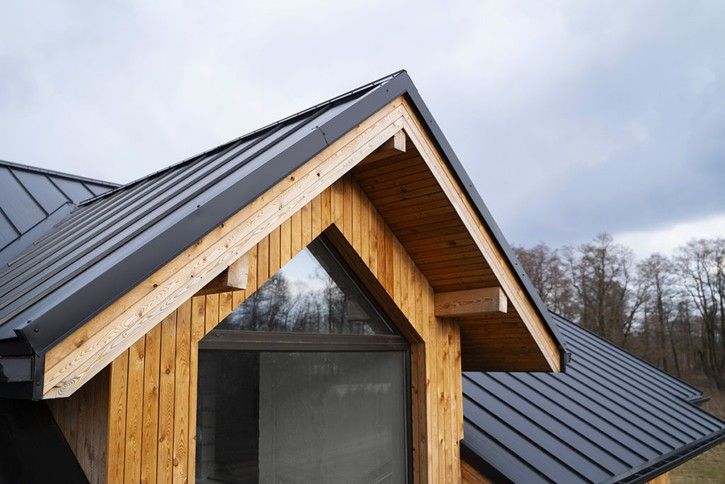
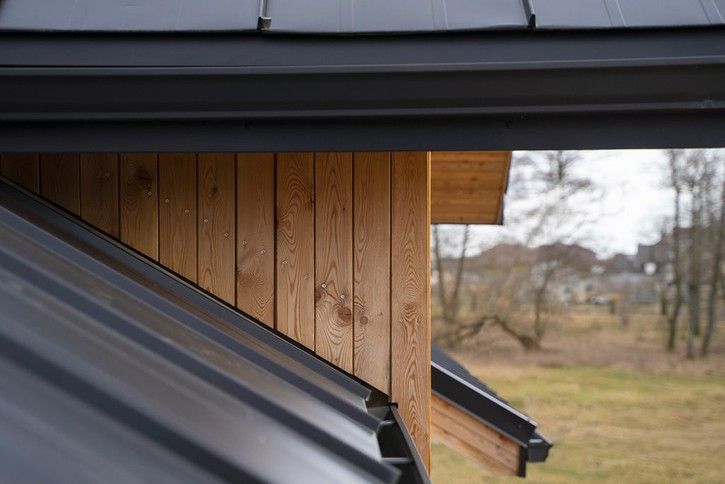
Certified Wood: Wood from sustainable sources is often preferred for structural construction due to its low carbon footprint. Common species in Europe include spruce, larch, Scots pine, and oak.
Recycled Materials: Using recycled materials such as recycled glass or metal helps reduce the environmental impact of construction. Reusing old shipping containers is another way to give a second life to existing materials.
4. Integrated Renewable Energy
Integrating renewable energy sources such as photovoltaic solar panels or wind turbines makes it possible to generate electricity sustainably.
Passive houses therefore incorporate a full range of environmentally friendly materials, techniques, and technologies. The use of renewable resources, combined with efficient energy management, minimizes the ecological footprint of building and operating these homes. This perfectly aligns with a lifestyle focused on sustainability.
Inspired Aesthetic Homes
The architecture of passive houses does not compromise on aesthetics. On the contrary, these homes often stand out for their modern, minimalist, and functional design. Bright, open spaces promote a seamless connection between indoor and outdoor areas, creating a living environment that inspires creativity and calm.
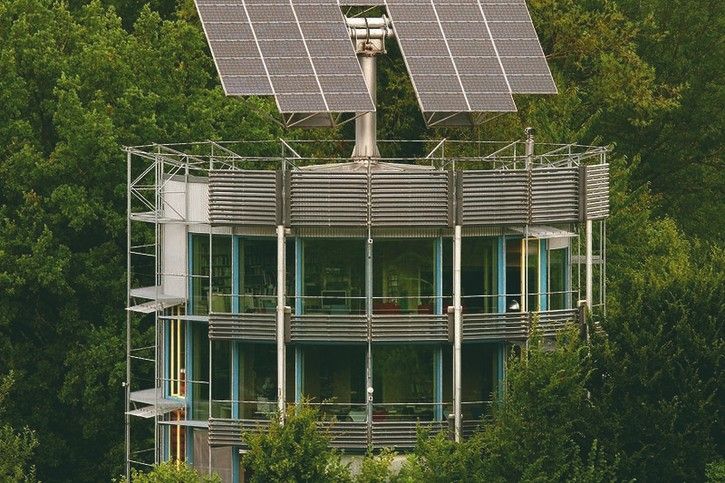
Heliotrope House, Germany: Located in Germany, the Heliotrope House is often cited as one of the world’s first passive houses. This residence is designed to maximize the use of solar energy, with a dynamic orientation that allows it to follow the sun to optimize natural light and heat intake.
Heliotrop Hanna Lehman + Rolf Disch, Solarenergie, Solar. Crédit photo : Crédits : Eloi Giera – Bay
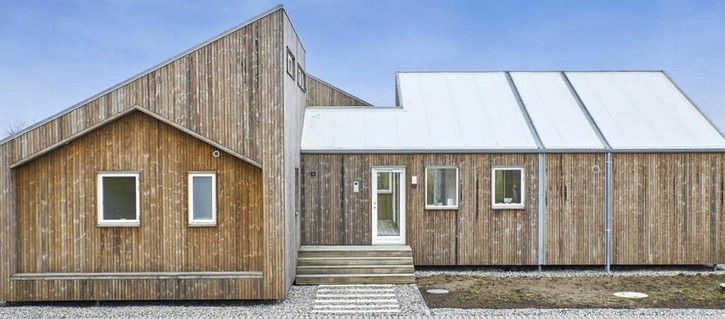
Projects by Een Til Een, Denmark: Built using transformed agricultural waste (grass, straw, seaweed, etc.) and relying on innovative techniques, the firm Een til een offers eco-friendly and stylish homes.
Crédit photo : Een Til Een
Living in a passive house represents a revolutionary model for a modern, elegant, and environmentally respectful lifestyle. By blending sustainability with contemporary comfort, these homes provide an innovative response to ecological challenges while creating spaces where harmony between humans and their habitat becomes a daily reality. Choosing a passive house means embracing a lifestyle that celebrates the balance between individual well-being and the preservation of our planet.