Although our beautiful country of France does not have as many architectural styles as it has cheeses, it still stands out by the richness and diversity of its “typologies” of houses. Each region has its own style that reflects its history, its climate, and the materials available in its territory. We have chosen to present to you some of these houses with emblematic styles…
The half-timbered house: the medieval imprint
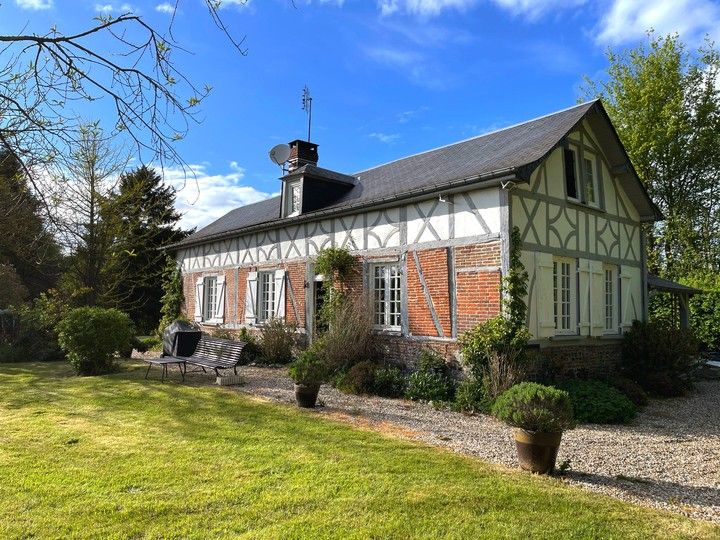
Primarily found in Normandy, Alsace, and Brittany, the half-timbered house is recognizable by its exposed wooden framework filled with wattle and daub, bricks, or plaster. This style, dating back to the Middle Ages, allowed for quick and sturdy construction, with a wooden frame assembled without nails. The colorful façades of Alsace and the geometric patterns of certain Norman towns make them true architectural works of art.
The Meulière house: elegance and robustness
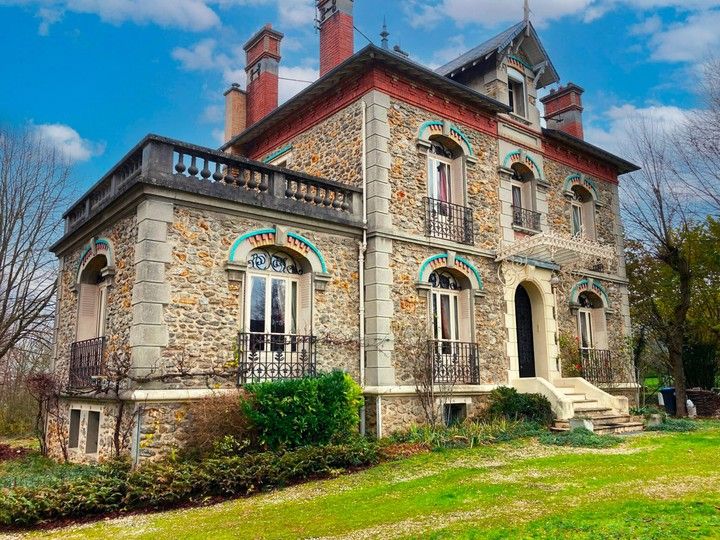
Widespread in the Île-de-France region, the Meulière house is distinguished by its Meulière stone façades, offering great resistance and refined aesthetics. Built between the 19th and early 20th centuries, it is often adorned with wrought iron balconies, decorative moldings, and slate roofs. Used for suburban villas and some bourgeois houses, Meulière stone is appreciated for its insulating qualities and its robustness against the weather.
The Girondine house: strength and elegance
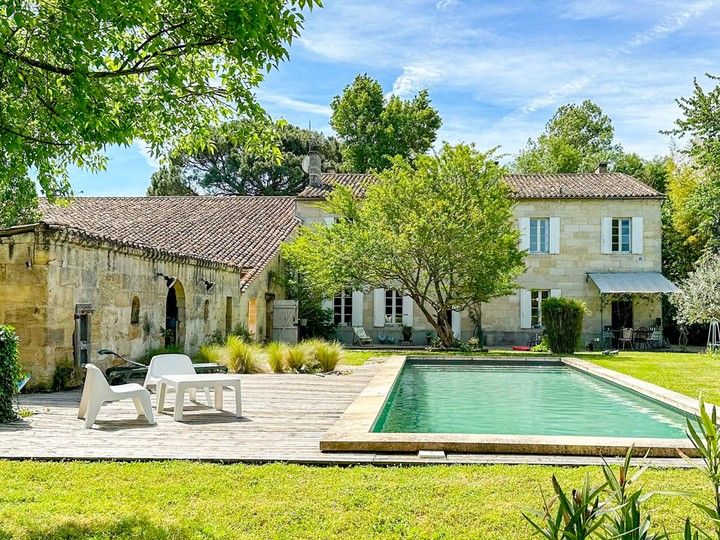
The Girondine house is a typical dwelling from the southwest of France. As its name indicates, it is particularly common in Gironde. It stands out for its sober and elegant architecture, often built in blonde limestone, which gives it an authentic charm and beautiful brightness.
Its façades are often enhanced by large symmetrical openings and wooden shutters, promoting airflow and light. Inside, you will find spacious rooms, sometimes with beautiful stone fireplaces and floors made of Gironde tiles or old parquet.
Often located in the heart of large plots, sometimes vineyards, the Girondine house reflects the history and heritage of the region, offering a warm and authentic living environment, ideal for lovers of charm and character.
The longère: sobriety and authenticity
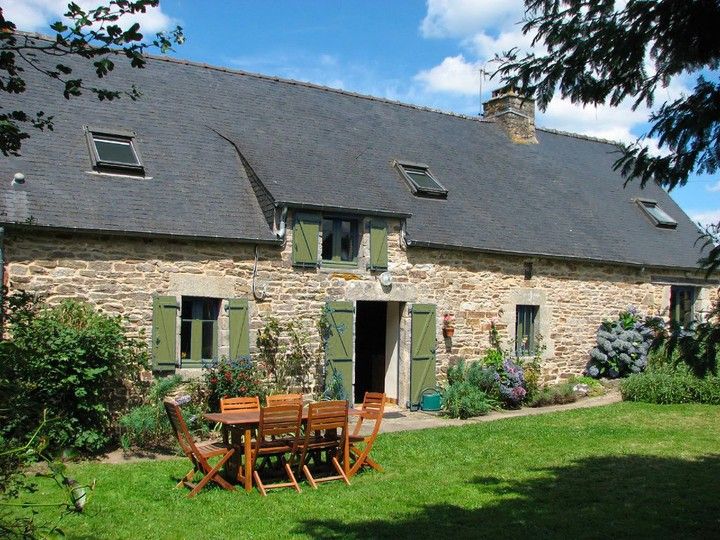
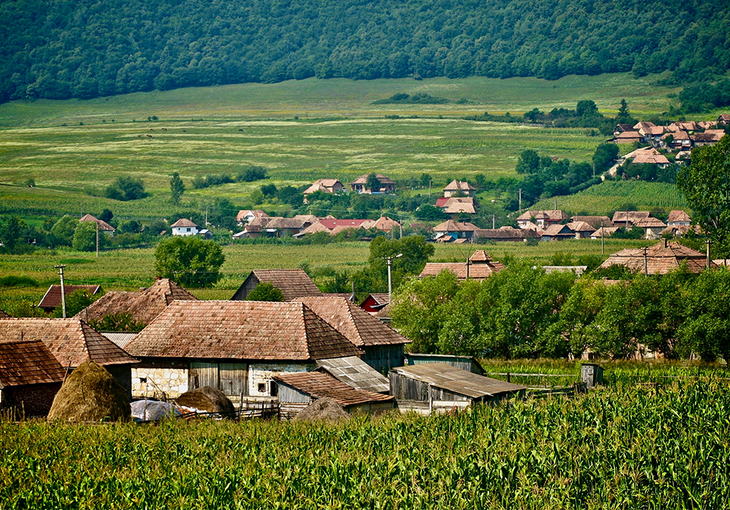
Typical of the countryside in the Centre and West of France, the longère is an elongated house built of stone, brick, or schist, with a slate or tile roof. Its simple and functional architecture met the needs of farmers of old, with an orientation favoring natural light and limiting exposure to prevailing winds. Some longères have now been renovated into charming residences, preserving their exposed beams and large fireplaces.
The chalet: warmth and conviviality
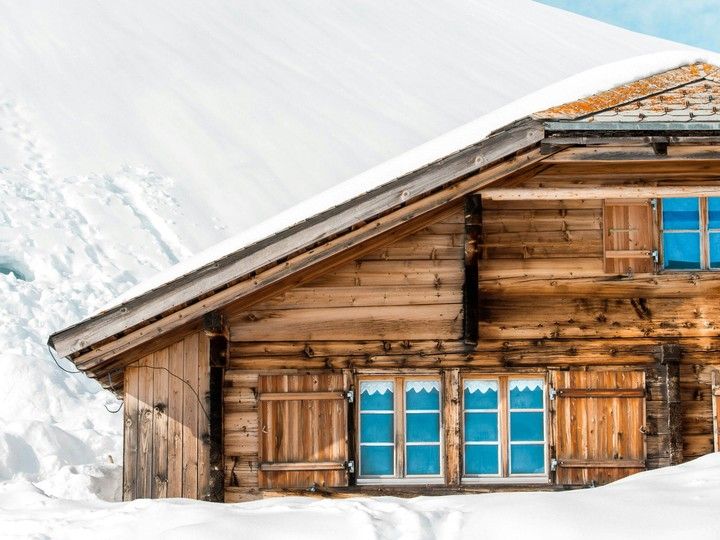
In the Alps and the Pyrenees, the chalet is a massive wooden construction with a steeply pitched roof to support the snow. Traditionally built on a stone base, it includes wide carved balconies and a structure of interlocking logs without nails. Designed to withstand harsh winters, its wooden interior creates a warm atmosphere, often complemented by a large central fireplace and shutters decorated with Alpine motifs.
The bastide: symmetry and history
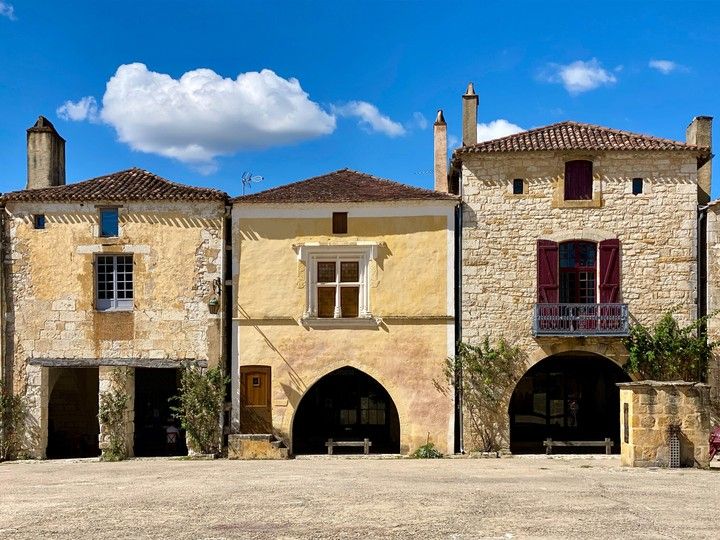
Inspired by medieval towns, the bastides of the Southwest are characterized by their stone or brick façades, tile roofs, and geometric layout. These houses, often situated around a central square, have large windows and arcades on the ground floor. They testify to an organized urban planning as early as the 13th century and today offer a peaceful living environment, preserving the charm of old fortified towns.
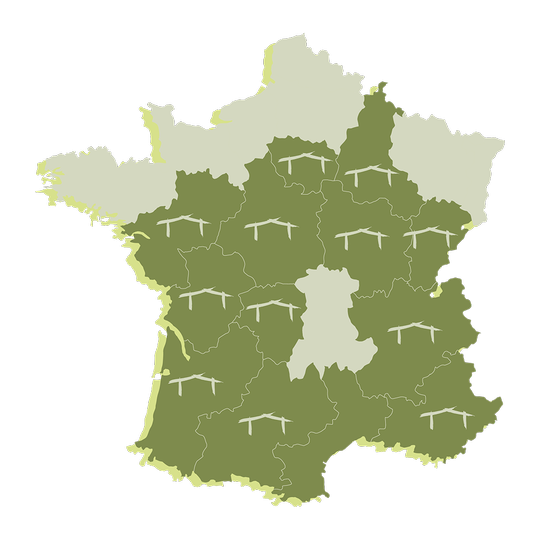
Contact the specialist consultant of your region
In large urban areas as well as in the countryside, our consultants know their territories perfectly and will best assist you in your real estate project.